
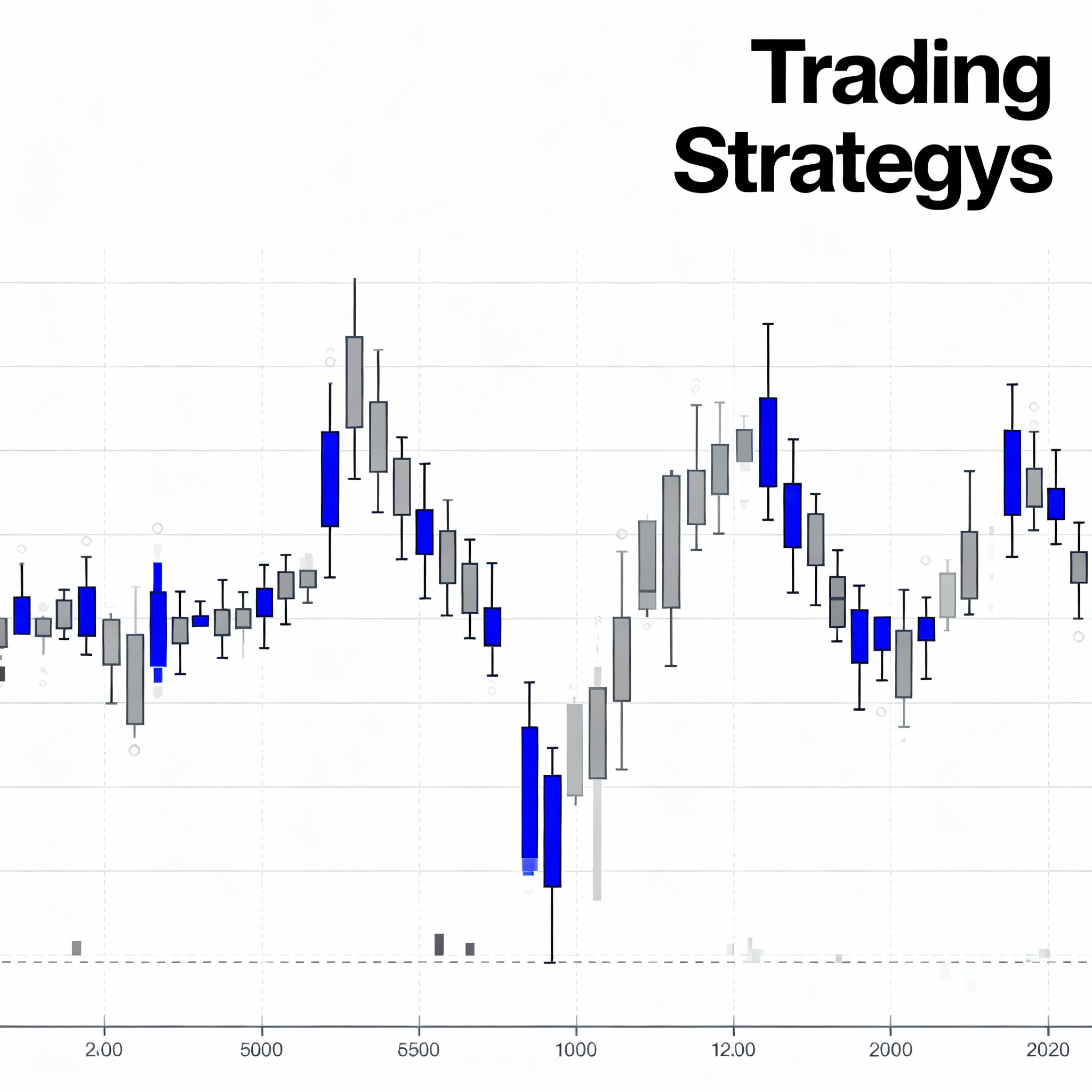
Price action trading represents one of the most powerful and accessible approaches for beginner traders entering the intraday trading arena. This comprehensive guide explores effective price action 15 minute intraday trading strategies that can help novice traders build a solid foundation for profitable day trading.
Understanding Price Action Trading for Beginners
Price action trading focuses on analyzing raw price movements without relying on complex indicators or mathematical formulas. For beginner traders, this approach offers clarity and simplicity in understanding market dynamics. Price action strategies examine historical price patterns, candlestick formations, and market structure to predict future price movements.
The beauty of price action trading lies in its universal application across all timeframes and market conditions. When applied to 15 minute intraday trading, this strategy provides the perfect balance between capturing meaningful price movements and maintaining manageable trading frequency for beginners.
Why Choose 15 Minute Timeframe for Price Action Trading
The 15 minute intraday trading timeframe offers distinct advantages for price action analysis. Unlike shorter timeframes that generate excessive noise, the 15-minute chart provides clearer price action signals while avoiding the overnight risks associated with longer timeframes.
Price action patterns on 15-minute charts allow beginner traders to identify significant support and resistance levels more effectively. This timeframe reduces the impact of market manipulation common in very short timeframes while providing sufficient trading opportunities throughout the day.
For intraday trading purposes, the 15 minute timeframe enables traders to implement proper risk management strategies while capturing substantial price movements. This makes it ideal for beginners learning price action trading techniques.
Essential Price Action Patterns for 15 Minute Trading
Candlestick Patterns in Price Action Trading
Price action trading relies heavily on candlestick pattern recognition. Key patterns for 15 minute intraday trading include:
Hammer and Shooting Star patterns signal potential price action reversals at support and resistance levels. These single candlestick patterns provide clear entry signals for beginner traders practicing price action strategies.
Bullish and Bearish Engulfing patterns represent powerful price action signals where the second candle completely engulfs the previous candle’s body. These patterns indicate strong momentum shifts in 15 minute intraday trading.
Doji patterns reflect market indecision in price action analysis, often occurring at critical support and resistance levels. For intraday trading, doji patterns can signal potential trend reversals or consolidation periods.
Support and Resistance in Price Action Trading
Support and resistance levels form the backbone of effective price action trading strategies. In 15 minute intraday trading, these levels act as psychological barriers where price action tends to reverse or consolidate.
Support levels represent areas where buying pressure typically emerges, preventing further price declines. Price action traders use these levels to identify potential long entry points in intraday trading scenarios.
Resistance levels indicate areas where selling pressure intensifies, halting upward price action movements. For 15 minute intraday trading, resistance levels provide excellent targets for profit-taking and short entry opportunities.
Implementing Price Action Strategies in 15 Minute Trading
Entry Strategies for Price Action Trading
Successful price action trading in 15 minute intraday scenarios requires precise entry timing. Price action traders should wait for confirmation signals at key support and resistance levels before entering positions.
Breakout strategies involve entering trades when price action breaks above resistance or below support levels with strong momentum. These breakouts often lead to significant moves in 15 minute intraday trading.
Reversal strategies focus on price action patterns that indicate trend changes at critical levels. For beginner traders, reversal patterns provide excellent learning opportunities in intraday trading.
Risk Management in Price Action Trading
Effective risk management remains crucial for successful price action 15 minute intraday trading. Beginner traders should implement the 1-2% risk rule, never risking more than 2% of trading capital on single trades.
Stop-loss placement in price action trading should be based on key levels rather than arbitrary percentages. For 15 minute intraday trading, stops are typically placed below support levels for long trades and above resistance for short positions.
Position sizing in price action trading must reflect the distance to stop-loss levels and overall account risk tolerance. This approach ensures consistent risk management across all intraday trading positions.
Advanced Price Action Techniques for 15 Minute Charts
Multiple Timeframe Analysis
Price action analysis becomes more powerful when combining multiple timeframes. For 15 minute intraday trading, traders should analyze higher timeframes (daily/4-hour) for overall market structure while using 15-minute charts for precise entries.
Higher timeframe price action provides context for intraday trading decisions, helping identify major support and resistance zones. This multi-timeframe approach enhances the probability of successful 15 minute trades.
Volume Analysis in Price Action Trading
Volume confirmation strengthens price action signals significantly. In 15 minute intraday trading, volume spikes often accompany legitimate breakouts and reversals, validating price action patterns.
Low volume during price action consolidation phases suggests lack of conviction, while high volume breakouts indicate strong momentum continuation. This volume analysis enhances intraday trading decision-making processes.
Common Mistakes in Price Action 15 Minute Trading
Overtrading in Price Action Strategies
Beginner traders often fall into overtrading traps when implementing price action strategies on 15 minute charts. Quality over quantity remains paramount in successful intraday trading approaches.
Price action trading requires patience and discipline, waiting for high-probability setups rather than forcing trades. This disciplined approach leads to better long-term results in 15 minute intraday trading.
Ignoring Market Context
Price action patterns work best when aligned with overall market trends and sentiment. Beginner traders should avoid counter-trend price action trades without substantial experience in intraday trading.
Market news and economic events can invalidate price action signals, making it essential to stay informed about market-moving events. This contextual awareness improves 15 minute intraday trading success rates.
Building Your Price Action Trading Plan
Pre-Market Preparation
Successful price action 15 minute intraday trading begins with thorough pre-market analysis. Identify key support and resistance levels, review overnight news, and mark important economic events.
Price action levels from previous trading sessions often continue to influence current market behavior. This historical price action context provides valuable insights for intraday trading strategies.
Trade Execution and Management
Price action trading execution requires precise timing and emotional control. Use limit orders when possible to ensure favorable entry prices in 15 minute intraday trading scenarios.
Monitor price action behavior at key levels continuously, ready to adjust positions based on developing patterns. This active management approach maximizes profits while minimizing risks in intraday trading.
Post-Trade Analysis
Regular review of price action trades enhances learning and skill development. Analyze both winning and losing trades to identify patterns and improve future 15 minute intraday trading performance.
Document price action setups, entry reasons, and outcomes to build a comprehensive trading database. This systematic approach accelerates the learning curve for beginner intraday trading enthusiasts.
Technology and Tools for Price Action Trading
Charting Platforms
Modern charting platforms provide excellent tools for price action analysis on 15 minute timeframes. Look for platforms offering clean candlestick charts, multiple timeframe viewing, and essential drawing tools.
Price action trading benefits from simple, uncluttered charts that highlight key levels and patterns clearly. Avoid platforms with excessive indicators that may distract from pure price action analysis.
Mobile Trading Applications
Mobile apps enable price action monitoring throughout the trading day, crucial for 15 minute intraday trading success. Choose applications with reliable execution capabilities and comprehensive charting features.
Push notifications for price action alerts help traders stay informed about developing opportunities without constant chart monitoring. This technology enhances intraday trading efficiency significantly.
Price action 15 minute intraday trading strategies offer beginner traders an excellent foundation for developing successful trading skills. By focusing on pure price movements, understanding key patterns, and implementing proper risk management, novice traders can build profitable intraday trading careers.
The journey to mastering price action trading requires dedication, practice, and continuous learning. Start with small position sizes, focus on high-probability setups, and maintain strict discipline in following your price action trading plan.
Remember that 15 minute intraday trading success comes from consistency rather than spectacular individual trades. Build your skills gradually, learn from each trade, and develop the patience required for long-term price action trading success.
#PriceActionTrading #IntradayTrading #15MinuteTrading #TradingStrategies #BeginnerTrading #DayTrading #CandlestickPatterns #SupportResistance #TradingEducation #RiskManagement
Disclaimer: This article is for educational purposes only and should not be considered as financial advice. Trading in financial markets involves substantial risk and may not be suitable for all investors. Always conduct your own research and consider consulting with a qualified financial advisor before making investment decisions. Past performance does not guarantee future results.