

Technical analysis has revolutionized how traders approach financial markets by providing systematic methods to predict price movements through chart patterns and historical data analysis. For beginner traders in 2025, mastering technical analysis becomes essential for making informed trading decisions and maximizing profit potential while minimizing risk exposure.
Trading Strategys branded banner for technical analysis article
Understanding Technical Analysis Fundamentals for Modern Trading
Technical analysis involves studying past price movements, trading volumes, and chart formations to forecast future market behavior. Unlike fundamental analysis that examines company financials, technical analysis focuses purely on price action and market psychology to identify profitable trading opportunities.
Modern technical analysis combines traditional chart reading with advanced indicators and pattern recognition software, making it accessible for beginner traders while providing sophisticated tools for experienced professionals. The core principle remains unchanged: markets move in predictable patterns based on human psychology and institutional behavior.
Essential Chart Patterns Every Trader Must Master
Head and Shoulders Pattern – The Ultimate Reversal Signal
The head and shoulders formation stands as one of the most reliable technical analysis patterns for identifying trend reversals. This three-peak formation consists of a left shoulder, higher central peak (head), and right shoulder that fails to exceed the head’s height, signaling weakening bullish momentum.
Successful technical analysis implementation requires waiting for the neckline break with increased volume confirmation before entering short positions. Professional traders using technical analysis typically target price movements equal to the pattern’s height measured from the neckline break point.
The inverse head and shoulders provides bullish reversal signals at market bottoms, offering excellent buying opportunities when technical analysis confirms the pattern completion. These formations work exceptionally well in liquid markets where institutional participation creates clear price structures.
Triangle Patterns – Continuation and Breakout Signals
Triangle formations represent some of the most actionable technical analysis patterns for capturing momentum moves. Ascending triangles feature horizontal resistance with rising support, typically breaking upward in continuation of existing trends.
Symmetrical triangles display converging trendlines with roughly equal slopes, requiring technical analysis practitioners to wait for breakout direction confirmation. Volume analysis becomes crucial during triangle formation, with decreasing volume during consolidation and expanding volume during breakout phases.
Descending triangles show declining resistance with horizontal support, often resolving downward in bearish market conditions. Technical analysis traders should measure triangle height and project targets from breakout points for optimal risk-reward ratios.
Mastering Candlestick Patterns for Precise Entry Timing
Bullish Engulfing Pattern – Strong Reversal Confirmation
The bullish engulfing pattern represents one of the most powerful technical analysis signals for identifying upward reversals. This two-candle formation features a small bearish candle completely engulfed by a larger bullish candle, indicating strong buying pressure overcoming selling momentum.
Effective technical analysis requires confirming bullish engulfing patterns at significant support levels or after extended downtrends. The pattern’s reliability increases when accompanied by above-average volume and occurs near major technical levels.
Professional traders using technical analysis often combine bullish engulfing patterns with momentum indicators like RSI or stochastic oscillators for enhanced signal confirmation. Entry timing becomes critical, with positions typically initiated at the engulfing candle’s close.
Hammer and Doji Patterns – Market Indecision Signals
Hammer candlesticks feature small bodies with long lower wicks, appearing at downtrend bottoms to signal potential bullish reversals. Technical analysis interpretation focuses on the hammer’s location within the broader market context rather than isolated occurrence.
Doji patterns display equal or nearly equal opening and closing prices, indicating market indecision and potential trend changes. These technical analysis signals work best when appearing at significant support or resistance levels with volume confirmation.
The shooting star pattern provides bearish reversal signals at uptrend tops, featuring small bodies with long upper wicks that demonstrate selling pressure overcoming buying interest. Technical analysis practitioners should wait for confirmation before acting on these patterns.
Advanced Technical Analysis Pattern Recognition
Flag and Pennant Patterns – Trend Continuation Signals
Flag patterns represent brief consolidation phases during strong trending moves, providing excellent technical analysis opportunities for trend continuation trades. The flagpole represents the initial strong move, while the flag shows temporary profit-taking before trend resumption.
Bullish flags feature slight downward slope during consolidation, with breakouts typically occurring in the direction of the previous trend. Technical analysis traders should enter positions on flag breakouts with stop losses placed below the flag’s lower boundary.
Pennant patterns display converging trendlines during consolidation, similar to small symmetrical triangles. These technical analysis formations typically resolve quickly, making them ideal for short-term trading strategies with defined risk parameters.
Double Top and Double Bottom Patterns
Double top formations create strong bearish reversal signals when prices fail to break above previous highs. Technical analysis requires volume confirmation during the second peak attempt, with decreasing volume indicating weakening buying pressure.
The neckline break in double top patterns provides entry signals for short positions, with targets typically measuring the pattern’s height from the break point. Risk management involves placing stops above the second peak to limit potential losses.
Double bottom patterns offer bullish reversal opportunities when prices hold above previous lows and break resistance between the bottoms. These technical analysis patterns work exceptionally well in oversold market conditions with institutional support.
Volume Analysis in Technical Analysis Strategies
Volume Confirmation Techniques
Volume analysis serves as the backbone of reliable technical analysis, confirming or contradicting price-based signals. Increasing volume during breakouts validates pattern completion, while decreasing volume suggests potential false signals.
Professional technical analysis incorporates volume at price studies to identify significant accumulation or distribution zones. These areas often provide excellent support and resistance levels for future trading decisions.
On-balance volume (OBV) and volume-weighted average price (VWAP) indicators enhance technical analysis by showing institutional participation and fair value levels. Combining these tools with traditional patterns creates comprehensive trading strategies.
Institutional Volume Patterns

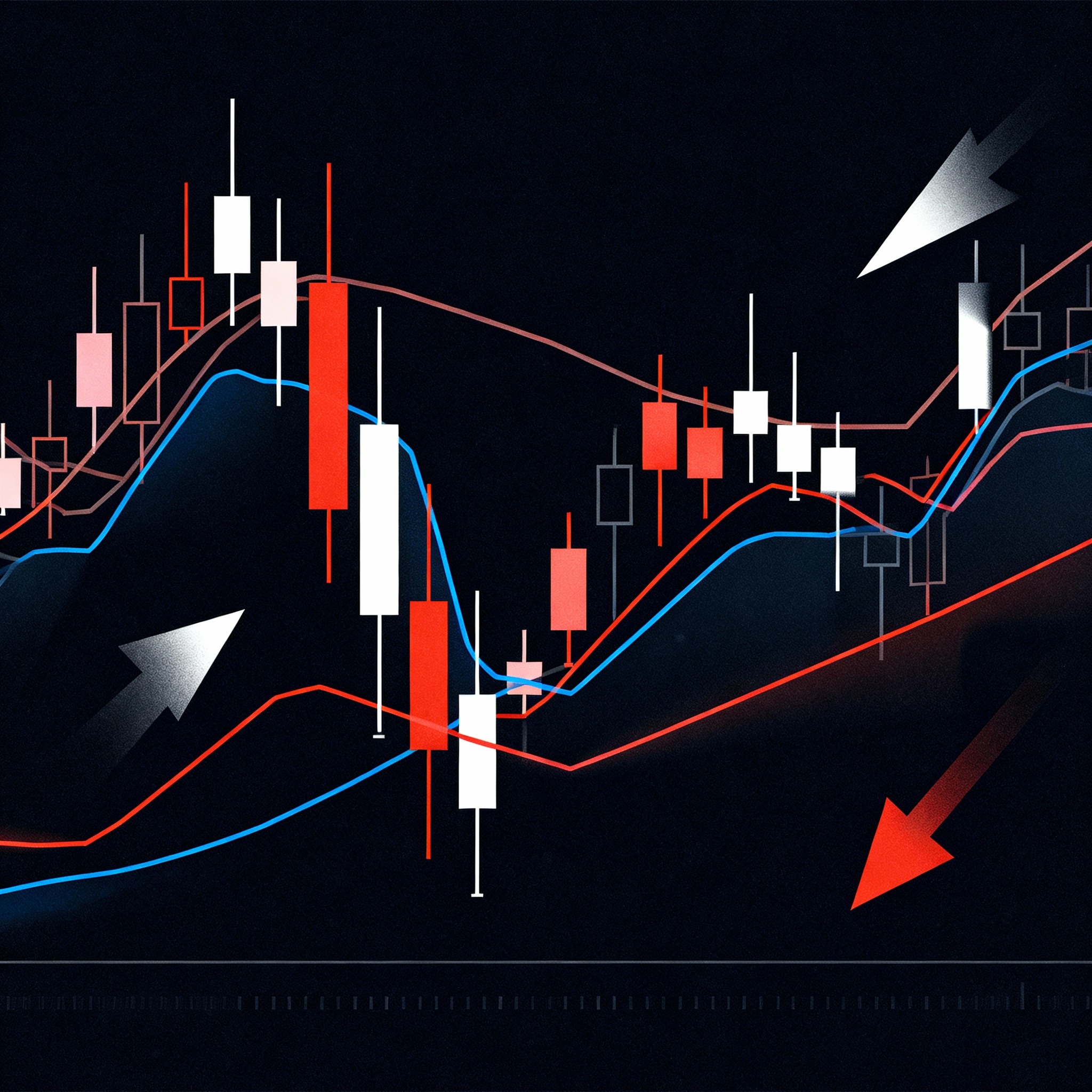
Large volume spikes often indicate institutional activity, creating significant technical analysis opportunities for retail traders. Understanding how smart money operates helps identify accumulation and distribution phases.
Block trading and iceberg orders leave footprints in volume analysis that skilled technical analysis practitioners can recognize. These patterns often precede major price movements as institutions build or unwind positions.
Algorithm-driven trading creates specific volume signatures that modern technical analysis must account for when interpreting market behavior. Technology has changed execution but not the underlying supply and demand dynamics.
Support and Resistance Level Identification
Dynamic Support and Resistance
Moving averages create dynamic support and resistance levels that adapt to changing market conditions. The 50-day and 200-day moving averages serve as key technical analysis benchmarks for institutional and retail traders.
Exponential moving averages respond more quickly to price changes, making them valuable for short-term technical analysis strategies. Crossovers between different timeframe averages often signal trend changes or continuation patterns.
Bollinger Bands provide dynamic support and resistance based on price volatility, expanding during volatile periods and contracting during consolidation. These technical analysis tools help identify overbought and oversold conditions.
Psychological Support and Resistance Levels
Round numbers and previous highs/lows create psychological barriers that influence trader behavior. Technical analysis practitioners should pay special attention to these levels when planning entries and exits.
Fibonacci retracement levels provide mathematical support and resistance zones based on natural proportions found throughout financial markets. The 38.2%, 50%, and 61.8% retracement levels frequently serve as turning points.
Pivot points calculated from previous session data offer intraday support and resistance levels for short-term technical analysis strategies. These levels work particularly well in liquid markets with significant institutional participation.
Risk Management Through Technical Analysis
Stop Loss Placement Strategies
Effective technical analysis requires systematic stop loss placement based on pattern structure rather than arbitrary percentage levels. Stops should be placed beyond significant technical levels to avoid premature exit from valid setups.
Trailing stops using technical indicators like moving averages or parabolic SAR help lock in profits while allowing trends to develop. These dynamic risk management tools adjust automatically as positions move favorably.
Position sizing based on technical analysis risk parameters ensures consistent risk exposure across different trading opportunities. Calculate position size based on the distance between entry and stop loss levels.
Risk-Reward Ratio Optimization
Technical analysis patterns provide natural target levels for calculating risk-reward ratios before entering trades. Successful traders typically seek ratios of 2:1 or better to maintain profitability over time.
Multiple target levels allow partial profit-taking while letting winning positions run toward larger objectives. This approach maximizes the profit potential from high-probability technical analysis setups.
Pattern failure recognition helps limit losses when technical analysis signals don’t develop as expected. Having predetermined exit strategies prevents emotional decision-making during adverse market conditions.
Technology Integration in Modern Technical Analysis
Automated Pattern Recognition
Modern trading platforms incorporate artificial intelligence for automated technical analysis pattern recognition. These tools help identify patterns across multiple timeframes and markets simultaneously.
Machine learning algorithms enhance traditional technical analysis by identifying subtle patterns and correlations that human traders might miss. However, human judgment remains essential for context and execution decisions.
Real-time scanning capabilities allow traders to monitor hundreds of instruments for specific technical analysis setups. This technology multiplies the opportunities available to pattern-based trading strategies.
Mobile Trading and Technical Analysis
Smartphone applications bring professional-grade technical analysis tools to mobile devices, enabling trading from anywhere. Cloud-based platforms synchronize analysis across multiple devices for seamless workflow management.
Push notifications for technical analysis alerts ensure traders don’t miss important pattern developments. Customizable alerts based on specific criteria help focus attention on the highest-probability opportunities.
Social trading platforms allow sharing and discussing technical analysis ideas with global trading communities. Learning from experienced practitioners accelerates skill development for beginner traders.
Market-Specific Technical Analysis Applications
Stock Market Technical Analysis
Individual stock technical analysis benefits from sector rotation analysis and relative strength comparisons. Understanding broader market context improves individual stock pattern interpretation and timing.
Earnings season creates unique technical analysis opportunities as price gaps and volatility expansions often lead to significant trending moves. Pattern recognition becomes crucial during these high-impact periods.
IPO and secondary offering technical analysis requires special consideration for limited price history and potential manipulation. Focus on volume analysis and institutional participation indicators during these events.
Forex Technical Analysis
Currency pair technical analysis must account for central bank interventions and economic data releases. Major support and resistance levels often align with policy decision points and intervention levels.
Session-based analysis recognizes different trading characteristics during Asian, European, and American market hours. Technical patterns may behave differently depending on which major financial centers are active.
Correlation analysis between currency pairs enhances technical analysis by identifying confirming or diverging signals across related instruments. This approach improves overall trading strategy reliability.
Building Your Technical Analysis Trading System
Systematic Approach Development
Successful technical analysis requires documented trading rules that remove emotional decision-making from the process. Create checklists for pattern identification, entry criteria, and exit strategies.
Backtesting technical analysis strategies on historical data helps validate approach effectiveness before risking real capital. Focus on large sample sizes to ensure statistical significance of results.
Paper trading allows practicing technical analysis skills without financial risk while building confidence in pattern recognition abilities. Track hypothetical results to identify strengths and weaknesses in your approach.
Continuous Learning and Adaptation
Market conditions evolve, requiring ongoing refinement of technical analysis techniques and pattern interpretation. Stay current with new developments in charting technology and analytical methods.
Join technical analysis communities and educational programs to learn from experienced practitioners. Sharing ideas and receiving feedback accelerates skill development and pattern recognition accuracy.
Regular performance review helps identify which technical analysis patterns and setups produce the best results in your trading. Focus resources on the most profitable approaches while eliminating ineffective strategies.
Conclusion: Mastering Technical Analysis for Trading Success
Technical analysis provides a systematic framework for understanding market behavior and identifying profitable trading opportunities through pattern recognition and price action analysis. Success requires combining multiple technical analysis tools, maintaining disciplined risk management, and continuously adapting to changing market conditions.
The most effective technical analysis strategies integrate chart patterns, candlestick formations, volume analysis, and support-resistance levels into comprehensive trading systems. Beginner traders should start with basic patterns and gradually incorporate more sophisticated techniques as experience develops.
Remember that technical analysis works best when combined with proper risk management, realistic expectations, and continuous learning. Focus on high-probability setups with favorable risk-reward ratios while maintaining the discipline to follow your systematic approach through various market conditions.
#TechnicalAnalysis #ChartPatterns #CandlestickTrading #StockMarketAnalysis #TradingStrategys #MarketAnalysis #TradingEducation #PriceAction #TechnicalIndicators #PatternRecognition #SupportResistance #VolumeAnalysis #RiskManagement #TradingStrategy #MarketPsychology
Disclaimer: This article is for educational purposes only and does not constitute financial advice. Trading and investing in financial markets involve risk, and you may lose money. Past performance does not guarantee future results. Always conduct thorough research and consider consulting with a qualified financial advisor before making investment decisions. The information provided is based on general market knowledge and should not be considered personalized investment recommendations.